

European Clubs in Indonesia became one of the biggest football stories of August 2026 as Aston Villa, AC Milan and Chelsea brought top-level European football to Jakarta.
Their presence was not only exciting for Indonesian football fans. The arrival of these major clubs also highlighted the growing economic potential of international sporting events, including tourism, transportation, hospitality, ticket sales and opportunities for local businesses.
With Indonesia continuing to attract major football events, the presence of European clubs could become an important part of the country’s growing sports economy.
Why European Clubs in Indonesia Matter for the Economy
August 2026 became an exciting month for Indonesian football fans.
Premier League club Aston Villa confirmed Jakarta as part of its Asian pre-season schedule. Unai Emery’s team faced Indonesia All Stars at the Gelora Bung Karno Main Stadium on August 1, 2026. The fixture was officially included in Aston Villa’s Asian pre-season tour before the club continued its journey to Thailand and Hong Kong.
Just one week later, Jakarta hosted another major international football event.
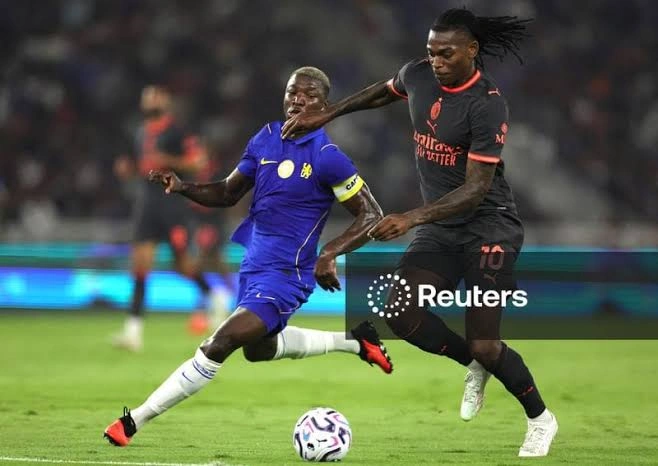
Chelsea and AC Milan met at the same stadium on August 8 as part of their preparations for the new European football season. The game brought together two clubs with enormous global fan bases and long histories in English and Italian football.
Chelsea eventually defeated AC Milan 3-0, with João Pedro scoring twice and Moisés Caicedo adding another goal. Chelsea described the victory as securing the 2026 Indonesia Super Cup in Jakarta.
The sporting results were important for the teams, but for Indonesia the bigger picture involved the country’s ability to host internationally recognized clubs and attract large audiences.
Erick Thohir: Sports Can Become a Revenue Center
One of the main points highlighted by Sports Minister Erick Thohir is the changing role of sport in Indonesia’s economy.
Sports events should not always be considered an expense. Instead, professionally managed competitions and international matches can become a revenue center that creates new economic activity.
A major football match creates several layers of transactions.
Fans purchase tickets.
Visitors spend money on transportation.
Hotels accommodate supporters, club officials and event personnel.
Restaurants and food businesses receive additional customers.
Merchandise and retail businesses can benefit from increased demand.
The government may also receive revenue through taxation connected with event-related transactions.
This means the economic impact of a football match extends far beyond the stadium itself.
Ticket Sales Create Direct Economic Activity
Ticket sales are one of the most visible sources of revenue from an international sporting event.
When tens of thousands of spectators attend a major stadium, each ticket represents economic activity involving not only the event organizer but also other parties connected to the event.
Taxes generated from transactions can contribute to public revenue.
At the same time, demand for premium seating, hospitality packages, food, beverages and merchandise can create additional commercial opportunities.
Erick Thohir has specifically pointed to ticket transactions and the associated taxes as examples of how international sporting events can contribute economically.
The larger the audience, the greater the opportunity for an event to create a wider economic multiplier effect.
Football Events Can Support Tourism
Another major potential benefit is sports tourism.
Not every spectator attending a major match necessarily lives in Jakarta.
Fans may travel from other Indonesian cities or even from overseas to see their favorite teams.
Those visitors need transportation and accommodation.
They may also spend money at restaurants, shopping centers and tourist attractions.
As a result, one football match can generate business for multiple industries.
Officials from Indonesia’s sports sector have highlighted hotels, transportation and tourism among the industries that can benefit from international sporting events.
This is why major sporting events are increasingly viewed as part of a broader tourism strategy rather than isolated competitions.
Opportunities for Local Businesses and MSMEs
Large international events can also create opportunities for micro, small and medium enterprises, commonly known in Indonesia as UMKM or MSMEs.
Around major stadium events, businesses may provide food, beverages, transportation, apparel, souvenirs and other services.
Local vendors can benefit from increased pedestrian traffic.
Creative businesses may produce football-related merchandise or promotional products.
Event organizers also require suppliers, logistics providers, production teams and other support services.
According to officials cited by RRI, international sports events have the potential to involve MSMEs while increasing hotel occupancy, transportation activity and investment opportunities.
The economic influence of an event therefore does not necessarily remain with large corporations.
If properly managed, it can spread across smaller businesses as well.
Indonesia Gains International Exposure
There is another benefit that is more difficult to measure directly: international promotion.
When clubs such as Chelsea, AC Milan or Aston Villa travel to Indonesia, their official social-media channels and international media partners also produce content from the country.
Images of Jakarta, Gelora Bung Karno Stadium and Indonesian supporters can reach millions of football followers worldwide.
That exposure can strengthen Indonesia’s image as a country capable of hosting large international sports events.
Erick Thohir has argued that international matches can help promote Indonesia globally in addition to producing direct commercial transactions.
For a country seeking to develop sport tourism, this type of exposure can be highly valuable.
The Importance of Indonesia’s Football Fan Base
European clubs also have strong reasons to visit Indonesia.
The country has a massive football audience.
Premier League, Serie A and other European competitions have been followed by Indonesian fans for decades.
For European clubs, visiting Indonesia provides an opportunity to strengthen relationships with supporters who may normally only interact with the teams through television, streaming services and social media.
AC Milan’s return to Jakarta, for example, reflected the club’s significant fan presence in Indonesia. Reports surrounding the tour highlighted the country’s large and highly engaged Milan supporter base.
The commercial benefits can continue long after the team leaves.
A stronger connection with local supporters can potentially increase merchandise sales, digital engagement, sponsorship opportunities and long-term brand loyalty.
Gelora Bung Karno Becomes an International Football Stage
The Gelora Bung Karno Main Stadium played a central role in the series of international matches.
Aston Villa’s official announcement confirmed the stadium as the venue for its August 1 meeting with Indonesia All Stars.
Chelsea and AC Milan then played at the same venue on August 8. Both Chelsea and AC Milan later published official reports from the Jakarta match.
Hosting multiple European clubs in the same month demonstrates the strategic importance of the venue.
A stadium is not only where a match takes place.
It also becomes part of Indonesia’s international sporting image.
The quality of security, crowd management, transport access, pitch conditions, broadcasting facilities and supporter experience can influence whether other major clubs and promoters consider Indonesia for future events.
International Matches Can Improve Event-Management Experience
The economic effect is not the only advantage.
Hosting international football clubs also provides practical experience for Indonesian event organizers.
A major football event requires coordination between many stakeholders, including:
- Event promoters
- Stadium management
- Security personnel
- Medical teams
- Broadcasters
- Transportation providers
- Sponsors
- Hospitality businesses
- Local authorities
- Football organizations
Every successfully organized event can improve local knowledge and professional standards.
That experience can later be applied when Indonesia hosts larger regional or international competitions.
Erick Thohir has welcomed private promoters that bring global sporting events to Indonesia and indicated government support for initiatives that can strengthen the national sports industry.
From Sports Entertainment to Sports Industry
For many years, discussions about football often focused almost entirely on results, trophies and supporters.
Modern sport has become much broader.
Football is also connected to media, tourism, sponsorship, technology, hospitality, retail and entertainment.
The arrival of Aston Villa, Chelsea and AC Milan provides a clear example.
The matches entertained fans, but the surrounding ecosystem involved far more than players and coaches.
Thousands of spectators traveled to the stadium.
Media organizations produced content.
Sponsors received exposure.
Hotels and transport services handled additional demand.
Local businesses had opportunities to benefit from larger crowds.
This is the type of ecosystem Indonesia hopes to strengthen as sport becomes an increasingly important part of the creative and service economy.
Can Indonesia Attract More European Clubs?
The success of international pre-season matches could encourage additional clubs to consider Indonesia in future tours.
European clubs frequently travel to Asia because the region has enormous supporter bases.
However, destinations compete with one another.
Countries such as Japan, South Korea, Singapore, Thailand and Malaysia are also active in attracting international teams.
Indonesia therefore needs more than enthusiastic supporters.
It must also provide reliable event organization, high-quality stadium infrastructure, security, commercial opportunities and strong partnerships with promoters.
If those factors continue improving, Indonesia could become a more regular destination during European clubs’ summer tours.
That would create repeated economic benefits rather than relying on occasional major events.
Sports Tourism Could Become a Larger Economic Opportunity
The government’s interest in international football reflects a wider idea: sports tourism.
Supporters are often willing to travel specifically for major sporting events.
This creates an opportunity for cities to combine sport with tourism, hospitality and entertainment.
A visitor traveling to Jakarta for Chelsea versus AC Milan, for example, may spend several days in the city rather than attending only the match.
That visitor may stay at a hotel, eat at restaurants, visit tourist destinations and purchase local products.
When multiplied across thousands of visitors, this spending can create significant economic activity.
Indonesian sports officials have specifically identified sports tourism as an area capable of generating economic opportunities and strengthening Indonesia’s global promotion.
A Positive Signal for Indonesian Football
The presence of major European clubs does not automatically improve domestic football.
However, it can still create positive effects.
Indonesian supporters gain direct access to high-level international football.
Local event organizers gain experience.
Commercial partners see opportunities in the sports industry.
Indonesia receives international media exposure.
Young football fans can also experience the atmosphere of watching internationally recognized players at a local stadium rather than only through television.
The challenge is turning occasional international matches into sustainable development.
That requires strong organization, investment in infrastructure and continued support for domestic football.
Conclusion
The arrival of Aston Villa, AC Milan and Chelsea in Indonesia during the 2026 pre-season period represented more than a series of football matches.
Aston Villa included Jakarta in its Asian tour and faced Indonesia All Stars at Gelora Bung Karno on August 1. Chelsea and AC Milan followed with their own Jakarta meeting on August 8, which Chelsea won 3-0.
For Indonesia’s Sports Minister Erick Thohir, events of this scale demonstrate how sport can function as an economic driver rather than simply an expense. Ticket sales, taxation, tourism, hotels, transportation, MSMEs, investment and global promotion are among the sectors that may benefit when major international events are successfully staged.
The larger opportunity is clear.
Indonesia has a passionate football audience, major stadium infrastructure and a large domestic market. If international events continue to be managed professionally, the country has the potential to establish itself as an increasingly important destination for global football tours.
For fans, that means more opportunities to see famous clubs and players in person.
For Indonesia, it could mean something even bigger: football becoming an increasingly valuable part of tourism, business and the national sports economy.



More Stories
Lamine Yamal Faces New Challenge as Barcelona Expectations Rise
Mitchy Ntelo Joins Aberdeen for New Scottish Premiership Challenge
Thomas Müller Starts New MLS Chapter with Vancouver Whitecaps